FG-045
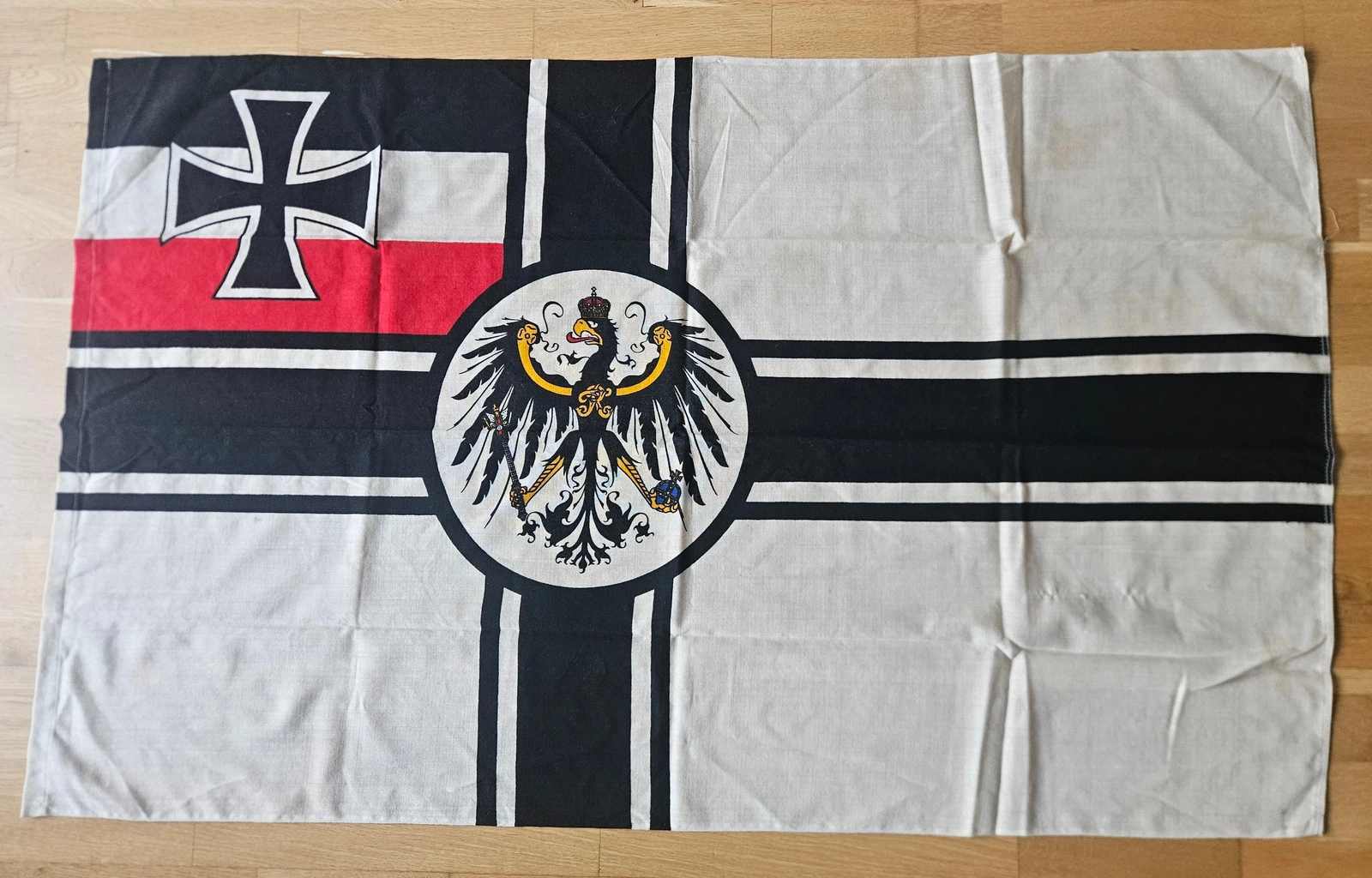
Imperial German War Ensign (Bonner Fahnenfabrik, 1960s)
Germany · Post-War (1945–1990)
80 × 128 cm (probable nominal 80 × 135 cm)
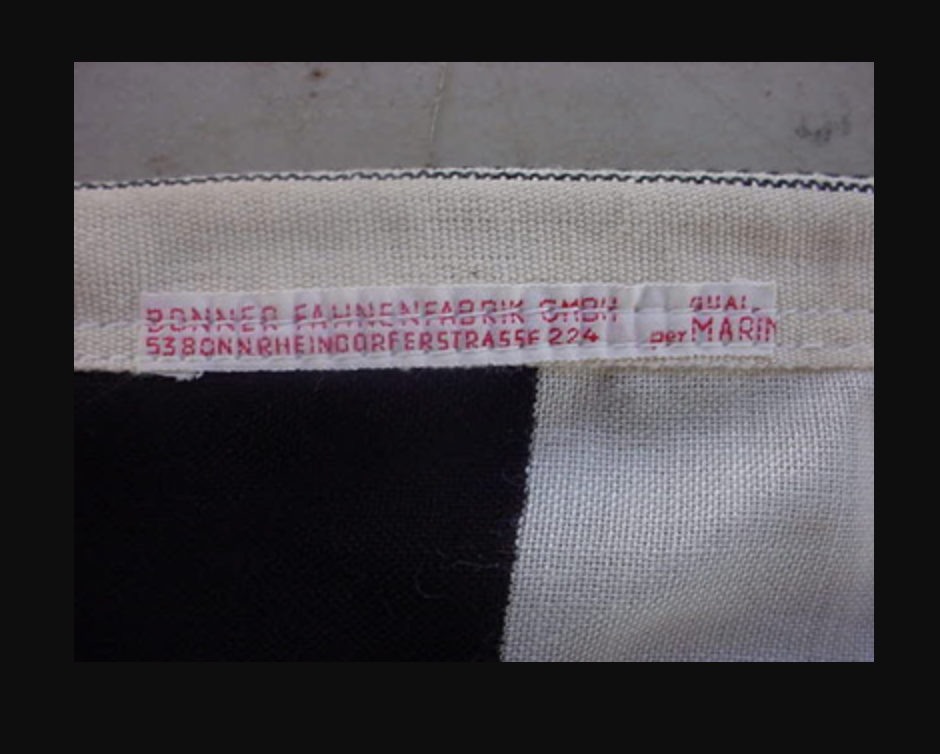
Markings: Bonner Fahnenfabrik woven label, 1960s type
West German manufacture, later pole-sleeve conversion
Germany / Post-war reproduction (Bonner Fahnenfabrik)
Imperial German War Ensign (Bonner Fahnenfabrik, 1960s)
FG-045
Germany · Post-War (1945–1990)
80 × 128 cm (probable nominal 80 × 135 cm)
Markings: Bonner Fahnenfabrik woven label, 1960s type
West German manufacture, later pole-sleeve conversion
Flag ID: FG-045
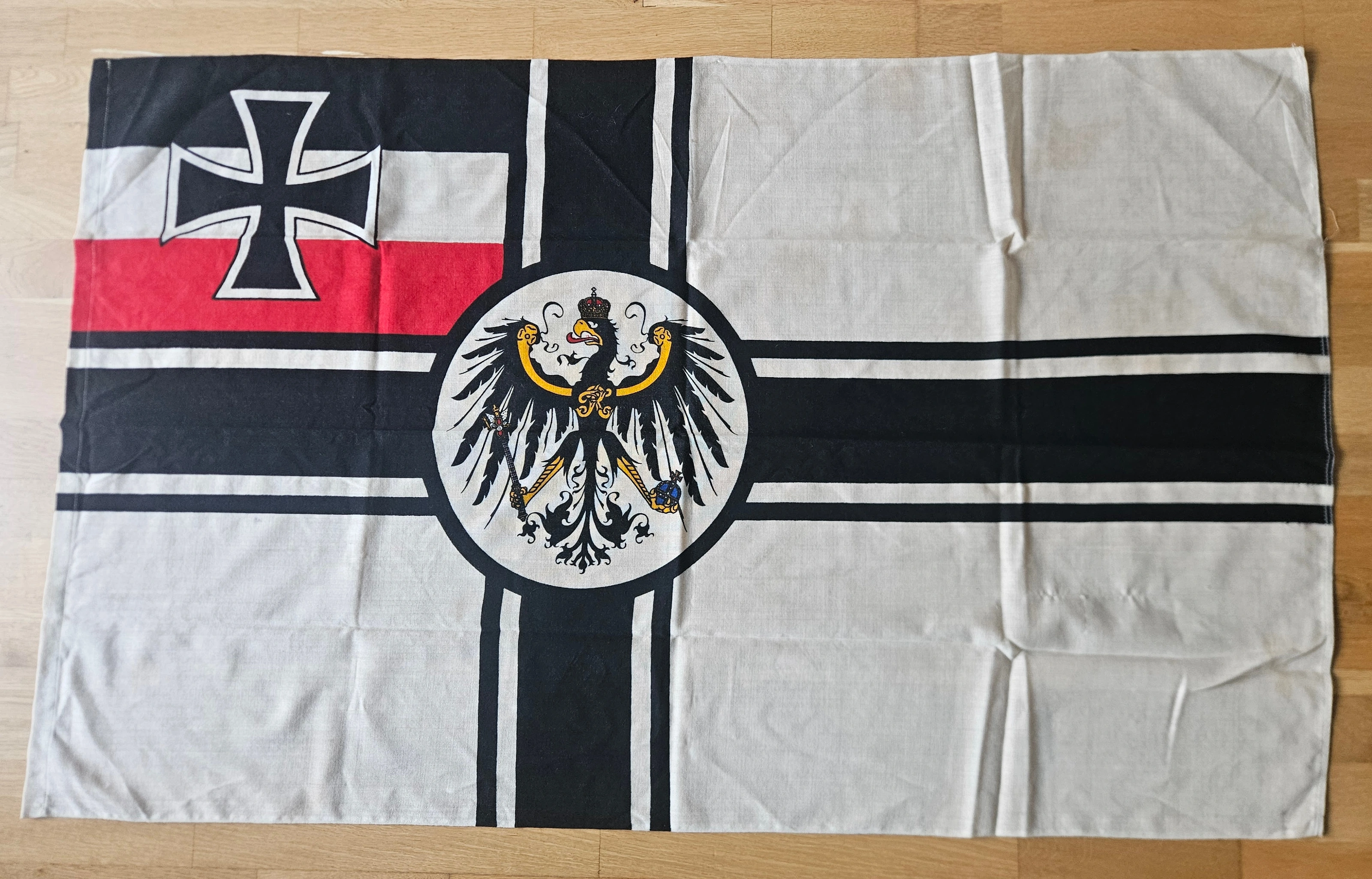
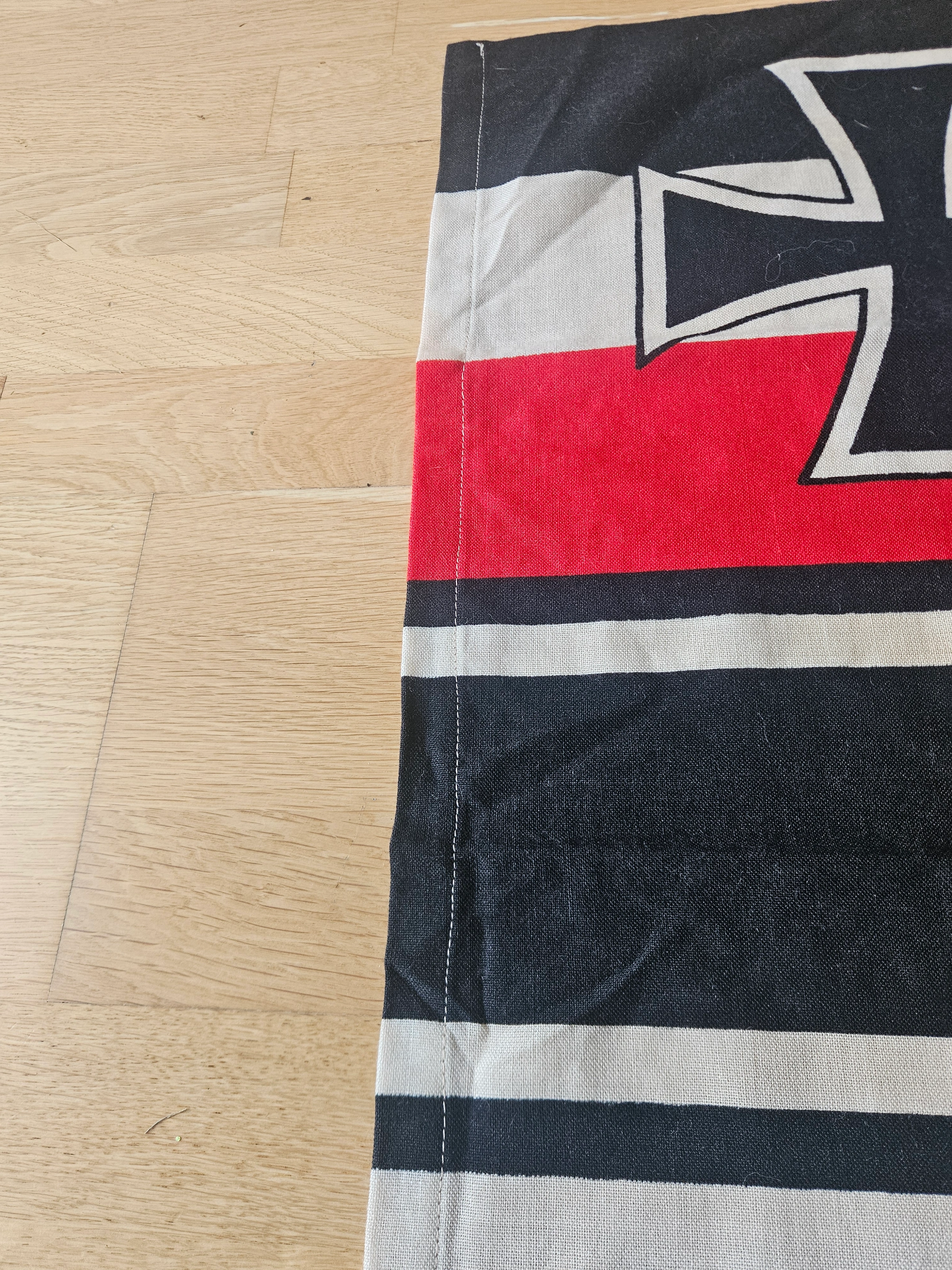
Measured at 80 × 128 cm. This sits near the West German 80 × 135 cm (3:5) catalogue size common in mid-century sets. The present length is ≈7 cm short of that nominal—consistent with (a) shrinkage in wool-blend textiles or cleaning, and/or (b) trimming when converting the hoist to a sleeve. We therefore record as found 80 × 128 cm and probable nominal 80 × 135 cm (3:5).
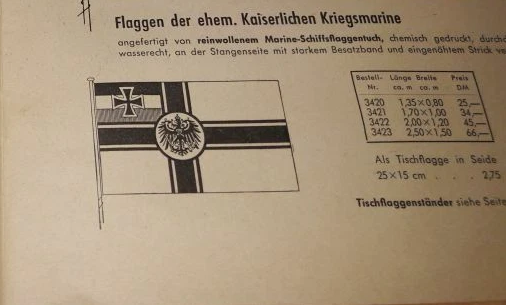
1960s Bonner catalogue context: typical 3:5 sets 60×100, 80×135, 100×170, 120×200, 150×250, 200×335 cm; some lines also offered 2:3 (e.g., 80×120, 100×150) depending on range/year (see catalogue excerpt below).
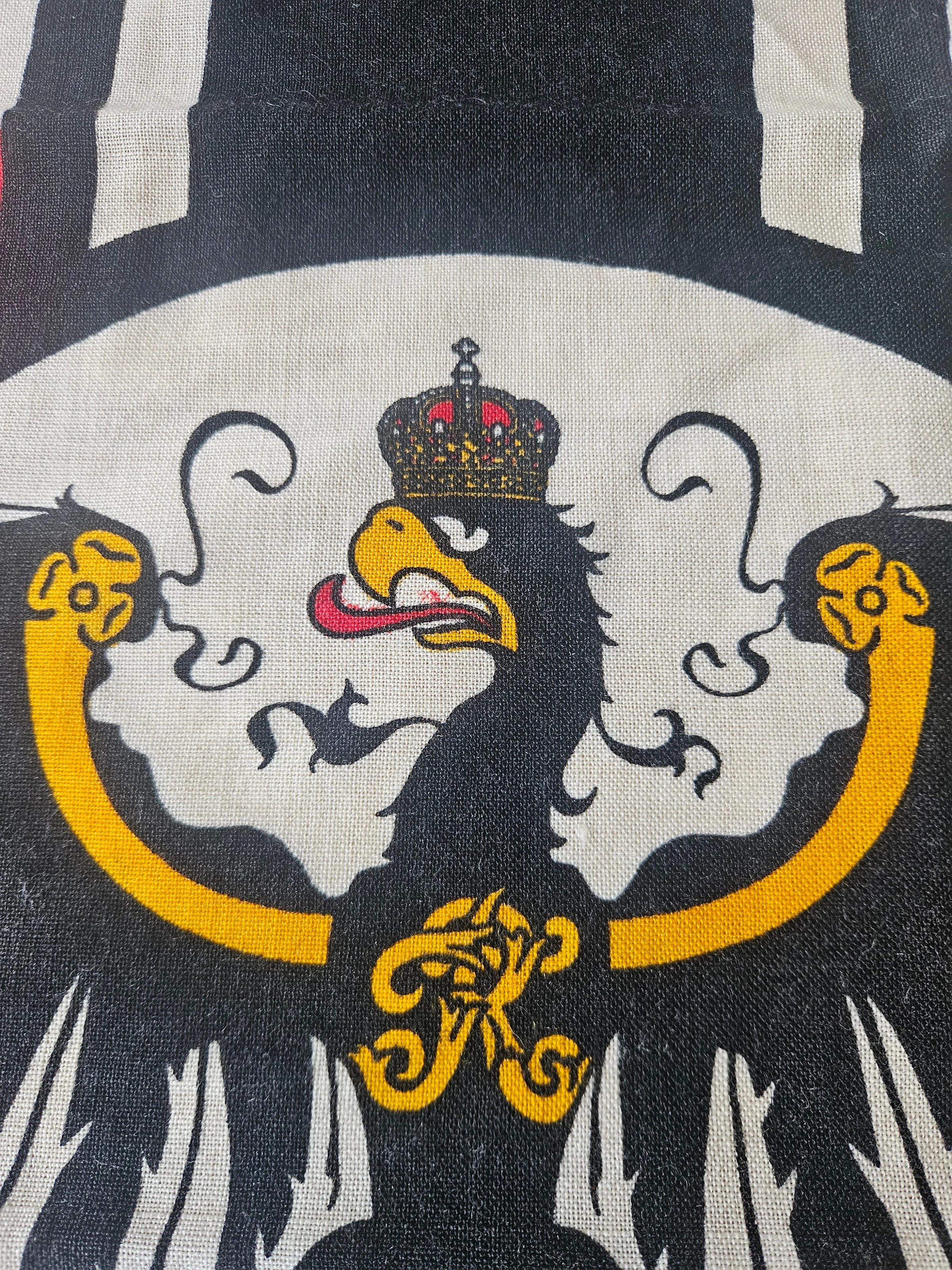
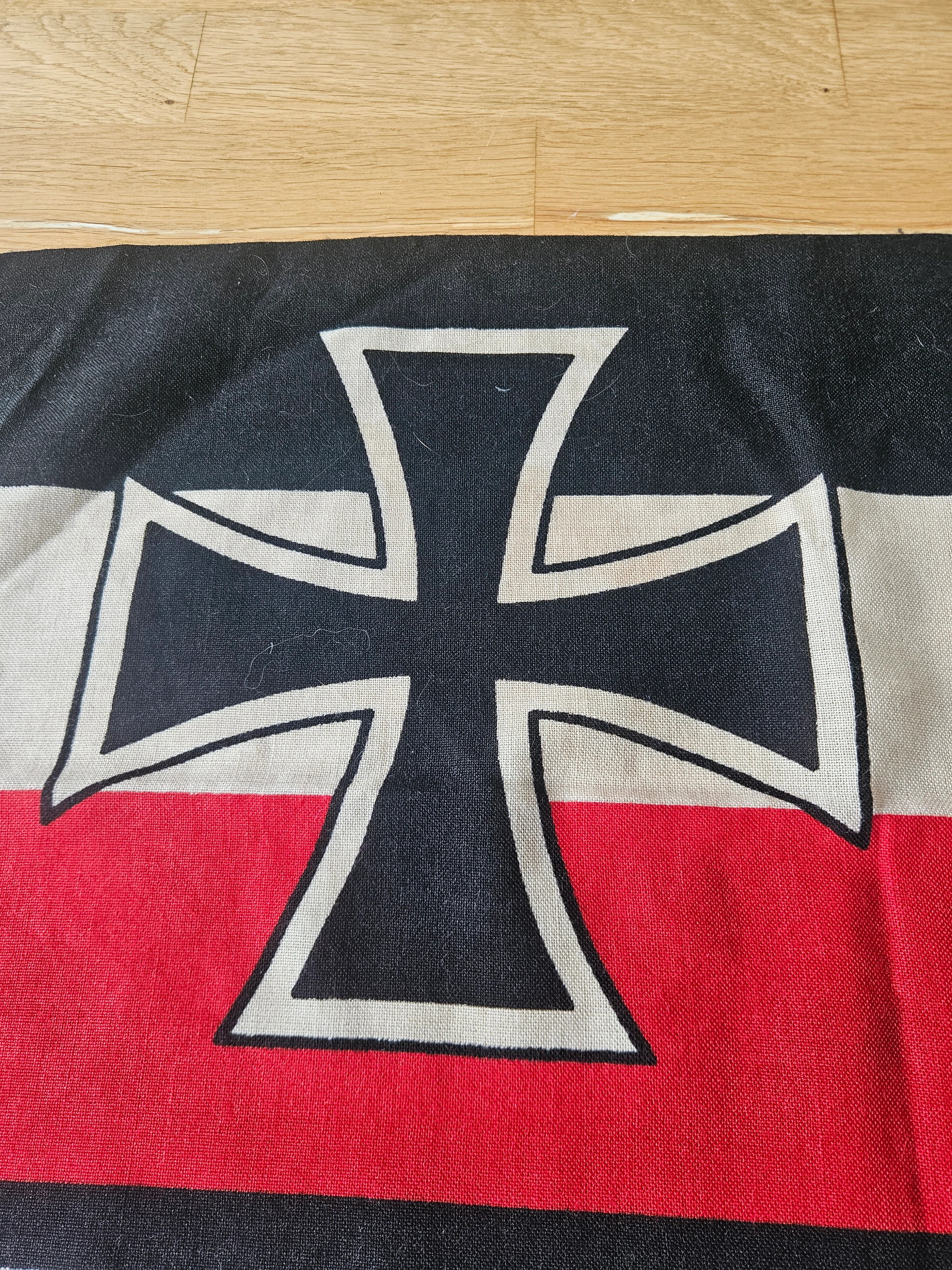
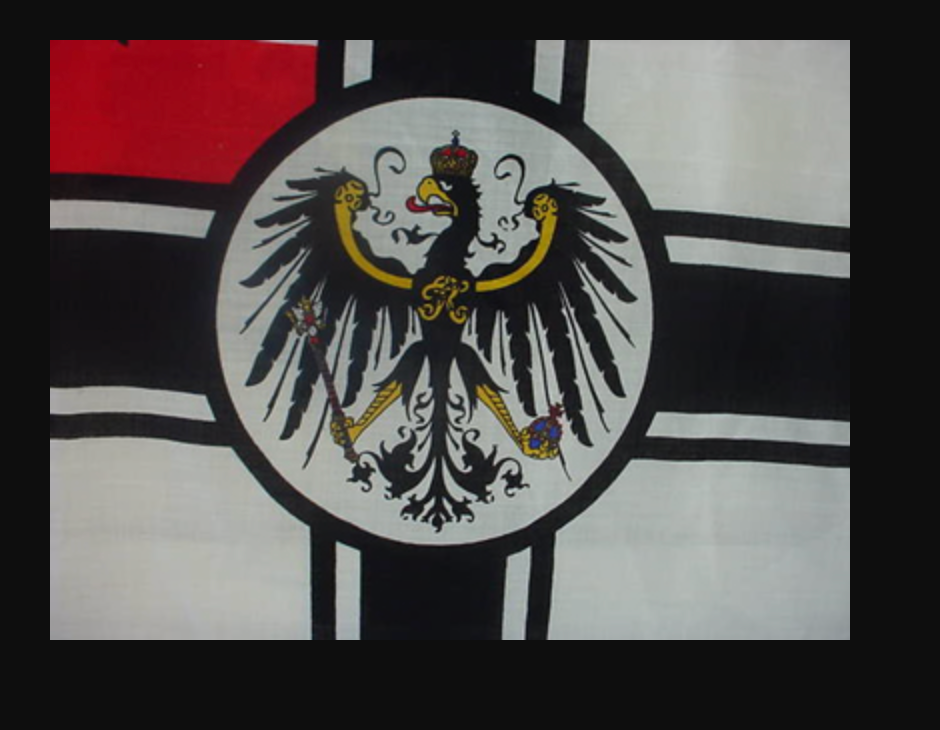
Construction and materials point to civilian/veterans’ or decorative issue rather than naval service. The later pole-sleeve conversion supports indoor/parade display. A horizontal panel seam passes through the medallion (visible in photos), typical of mid-century roll widths.
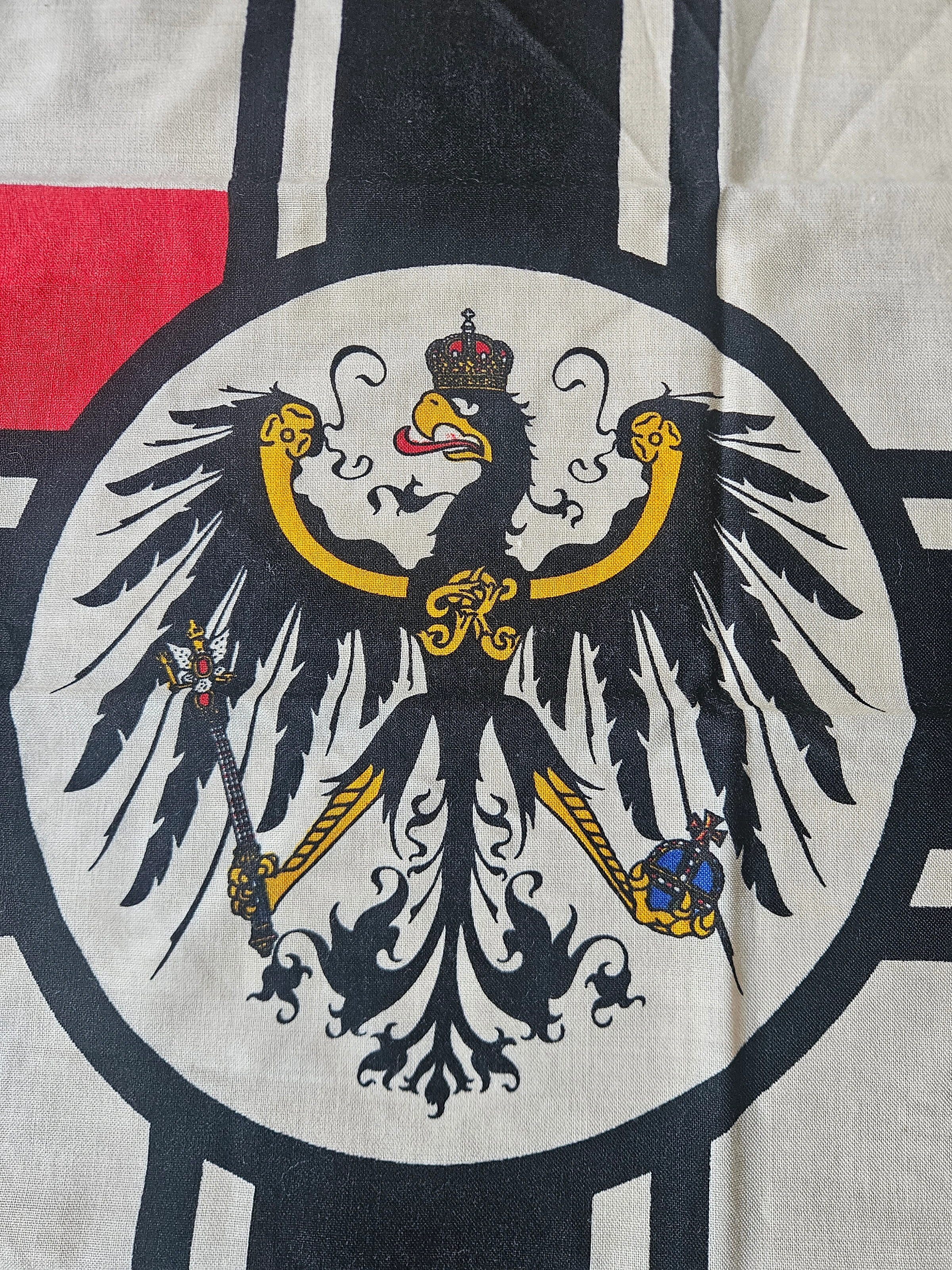
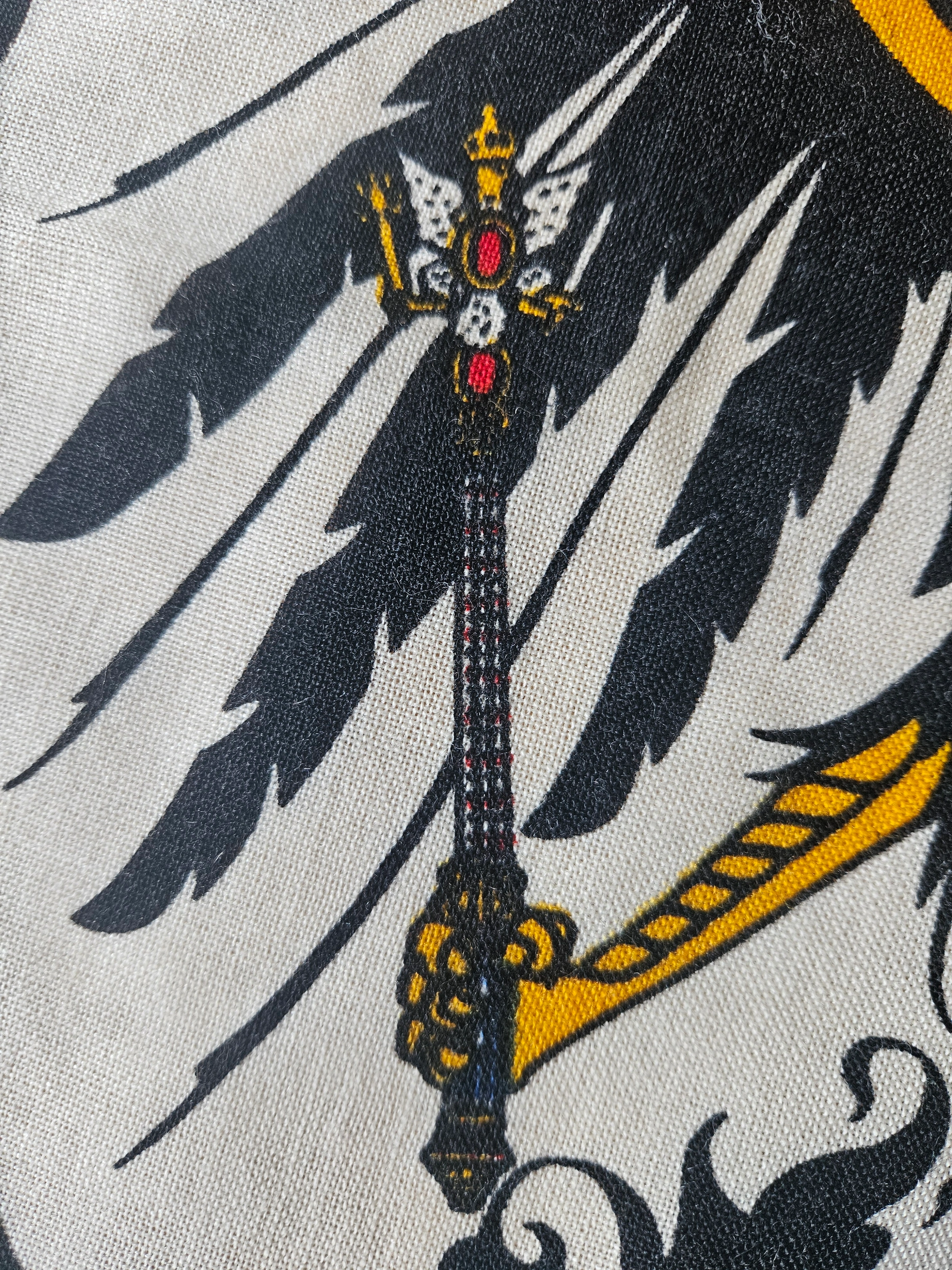
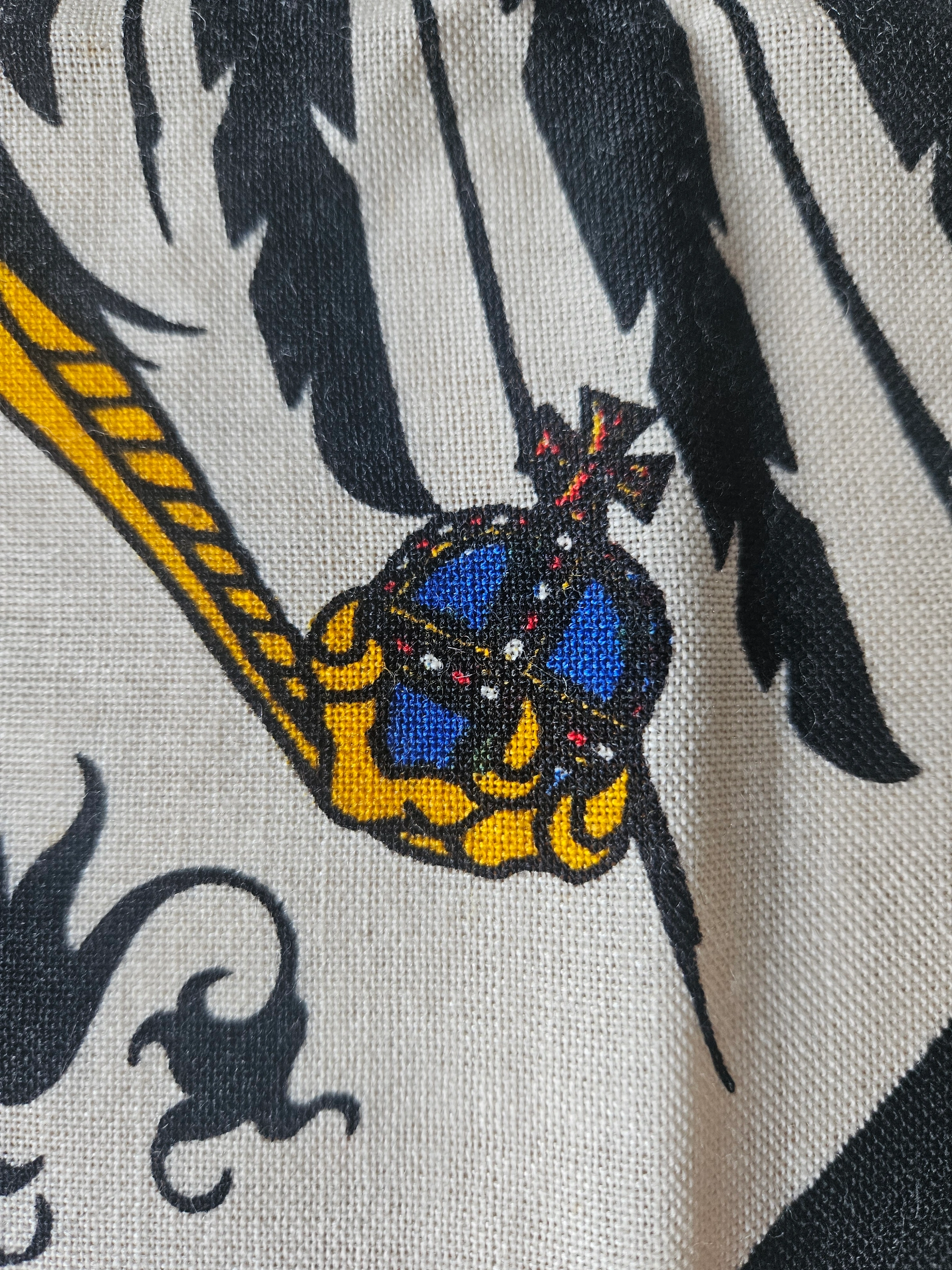
On Imperial war ensigns the eagle drawing often behaves like a workshop signature. It is not proof on its own, but printers reused stable patterns, so recurring habits appear. On this example (see photos):
When several traits cluster, they can support a maker/period attribution—especially combined with construction details and the Bonner label timeline.
Caveat. Artwork travelled: firms shared/licensed templates, subcontracted printing, and re-cut plates; later runs copied earlier art. Treat eagle style as a supporting indicator only—balance it with cloth/weave, stitching, hoist solution, panel layout, hardware, and label evidence.
(Rules of thumb; weigh as a package, not one-by-one.)
These Imperial designs re-entered circulation in West Germany from the 1950s into the 1960s, typically for commemorative, veterans’, or patriotic display rather than official service. The sleeve conversion fits rod-mounted indoor display or parade-standard use.
Because Nazi symbols are prohibited in Germany, variants of the Imperial colours and ensigns were sometimes adopted by far-right groups from the late 1970s/1980s onward as substitute imagery. That modern political appropriation is distinct from the historical object. Legal treatment depends on context and jurisdiction; this note is descriptive, not legal advice.
Bonner Fahnenfabrik, Bonn (West Germany). Attribution rests on (1) a close match to a comparative Bonner example, and (2) the Bonner label type documented for the 1960s in the FlagGeek label catalogue.
© 2025 FlagGeek / Kenny Ytrup – Licensed under CC BY-NC 4.0 .
Non-commercial sharing with attribution permitted. Commercial use requires permission.
External photographs remain under the rights of their respective holders and are reproduced here solely for scholarly research and documentation under quotation/fair use provisions.
Original FlagGeek publication · Source status: LIVE. Research text and evidence retained from the Blogger export.
FlagGeek · https://flaggeek-v2.pages.dev/archive/fg-045-imperial-german-war-ensign/